TAKO / GROWTH GEEKS AGENCY

Tako. From idea to a connected product.

An independent product created by Growth Geeks Agency. We planned, designed, and built a Figma plugin and web platform to turn scattered screens into a shared view for designers and their teams.
Project type
Independent product
Audience
Designers, design-system teams, founders and stakeholders

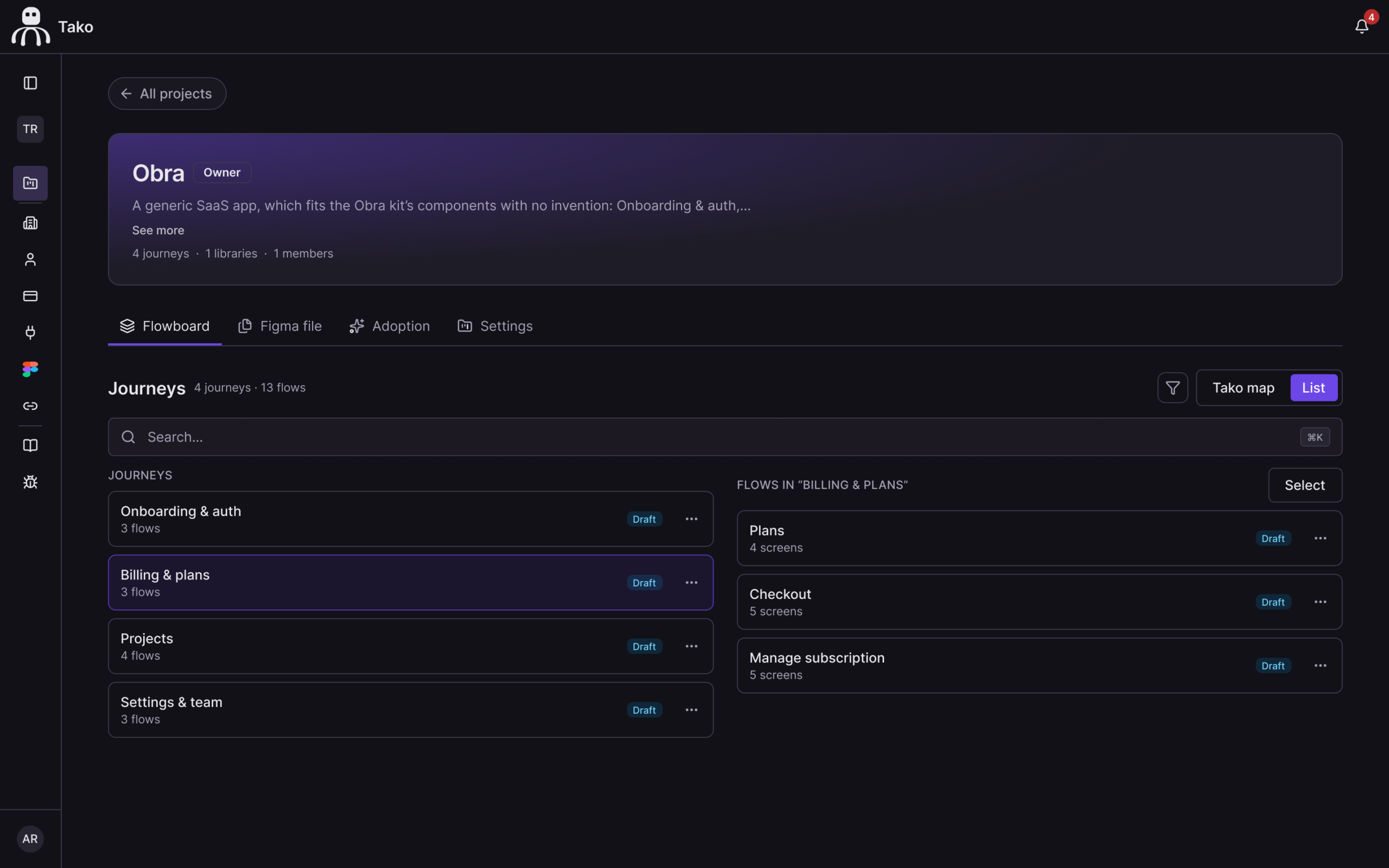
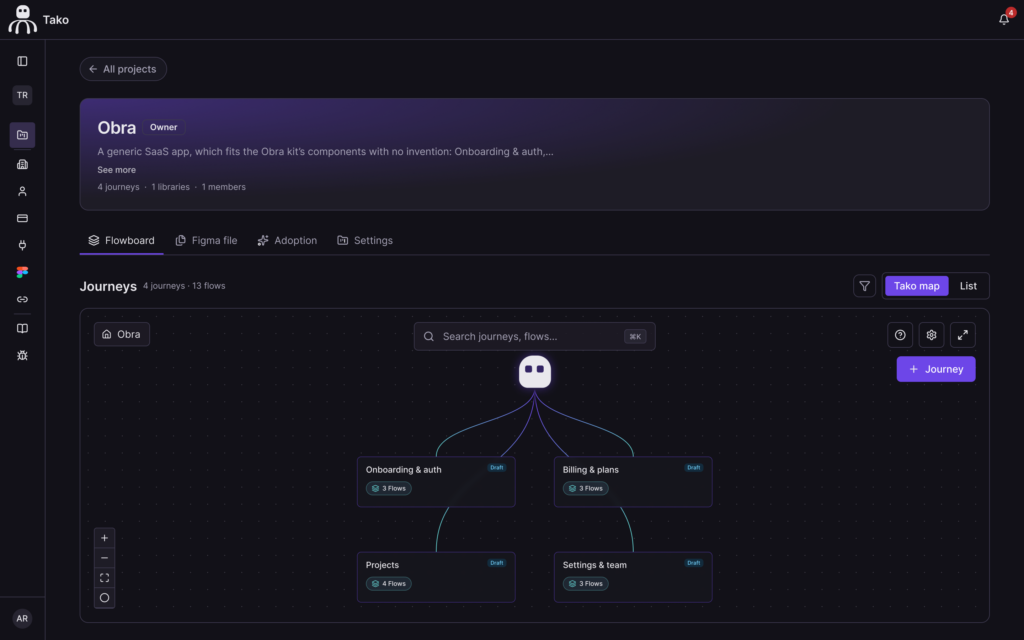
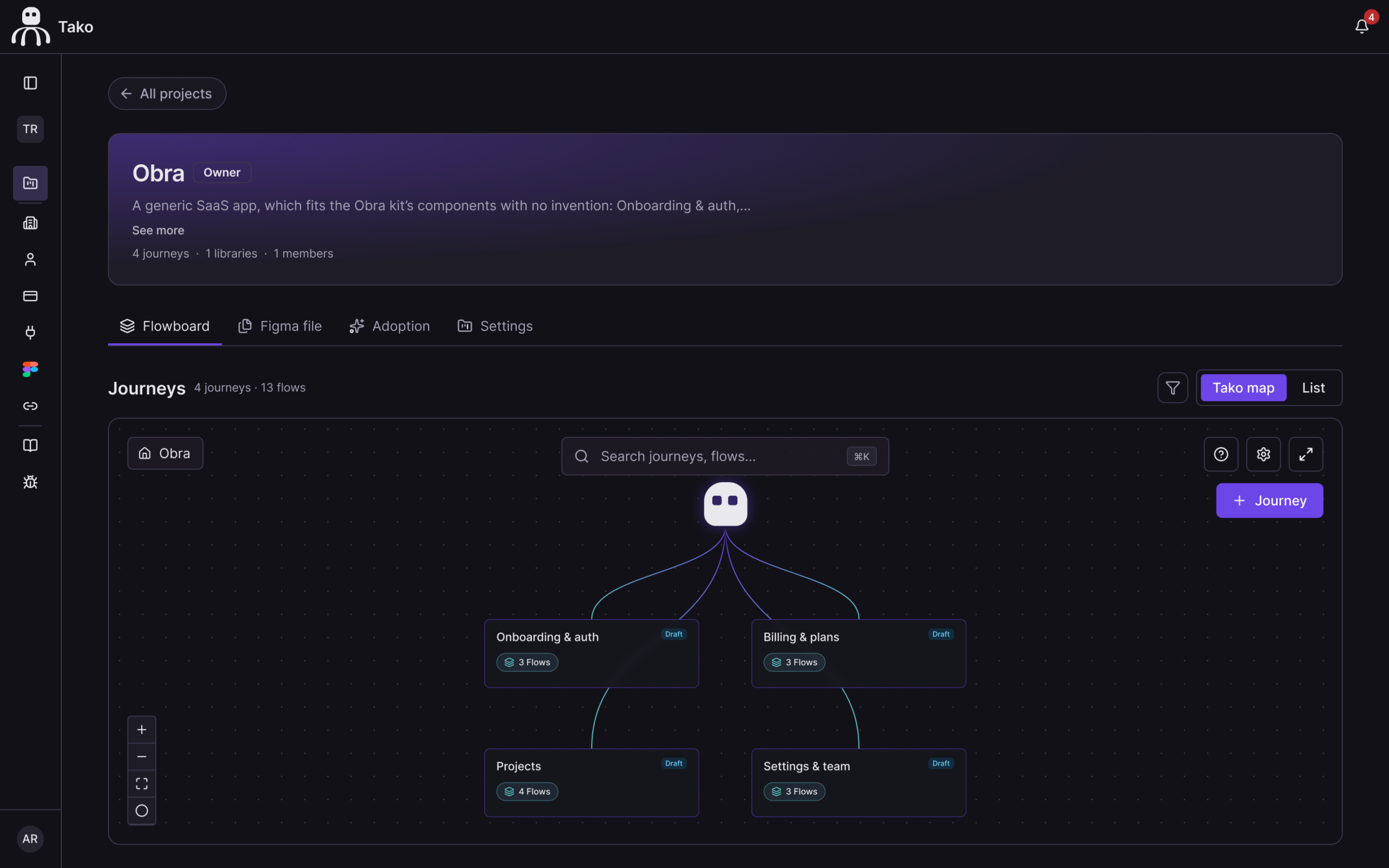
The shared web map: journeys and flows stay connected to the product.

01The brief

Screens show an interface. Teams need the whole story.

A product can have well-designed screens and still be difficult to understand as a whole. Flows are spread across files, separate documents fall behind, and stakeholders outside Figma lose the context.

Tako is our own response to that problem. We built it for designers, design-system teams, founders, and stakeholders who need one understandable view of the product.

02The approach

Keep the product connected to the design.

We started with a simple hierarchy: Project → Journey → Flow → Screen. It connects the product’s purpose to the steps a person takes and the interfaces they use.

Designers import and update frames through the Figma plugin. The web platform turns that structure into a shared map, with browsing, search, status filters, and screen previews for the wider team.

03The work

One connected product. Two ways to use it.

The Figma plugin supports the designer’s import and update workflow. The web platform gives the wider team a shared way to browse and understand the product.

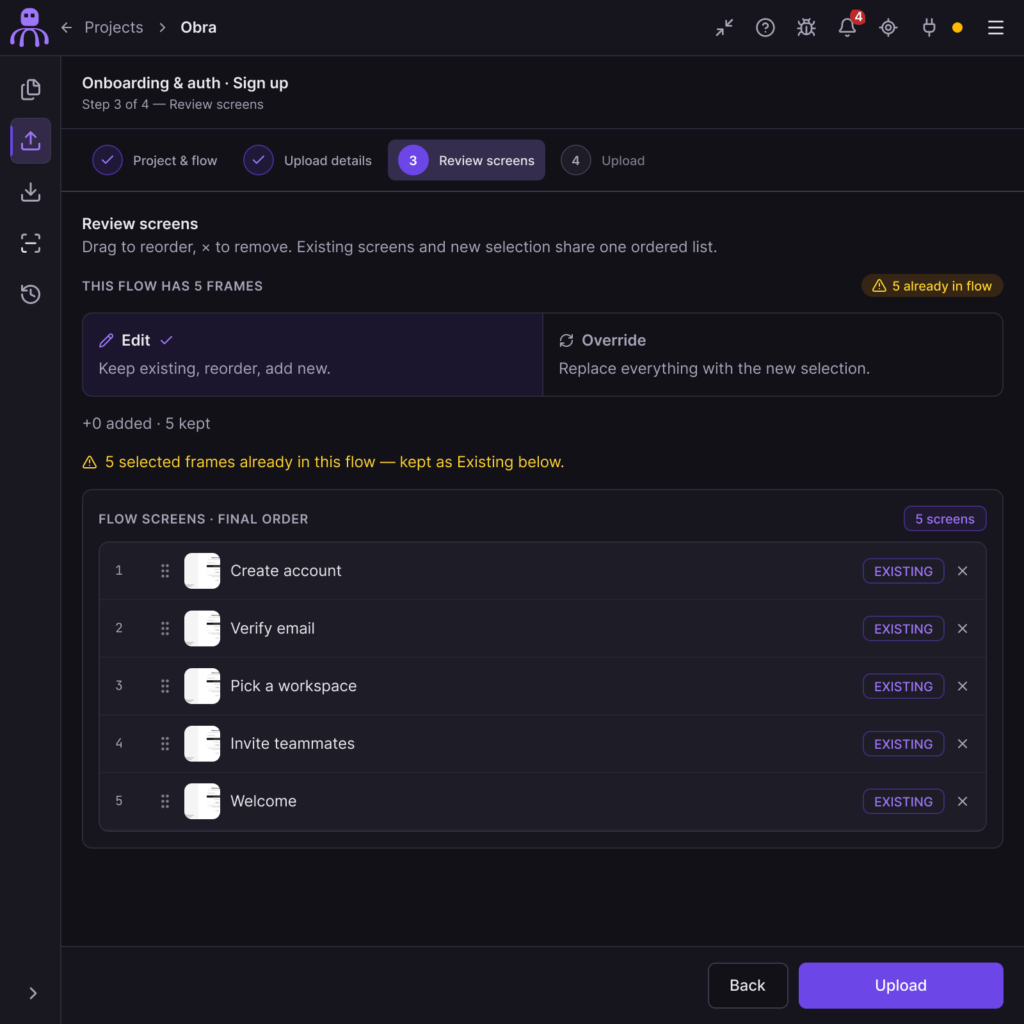
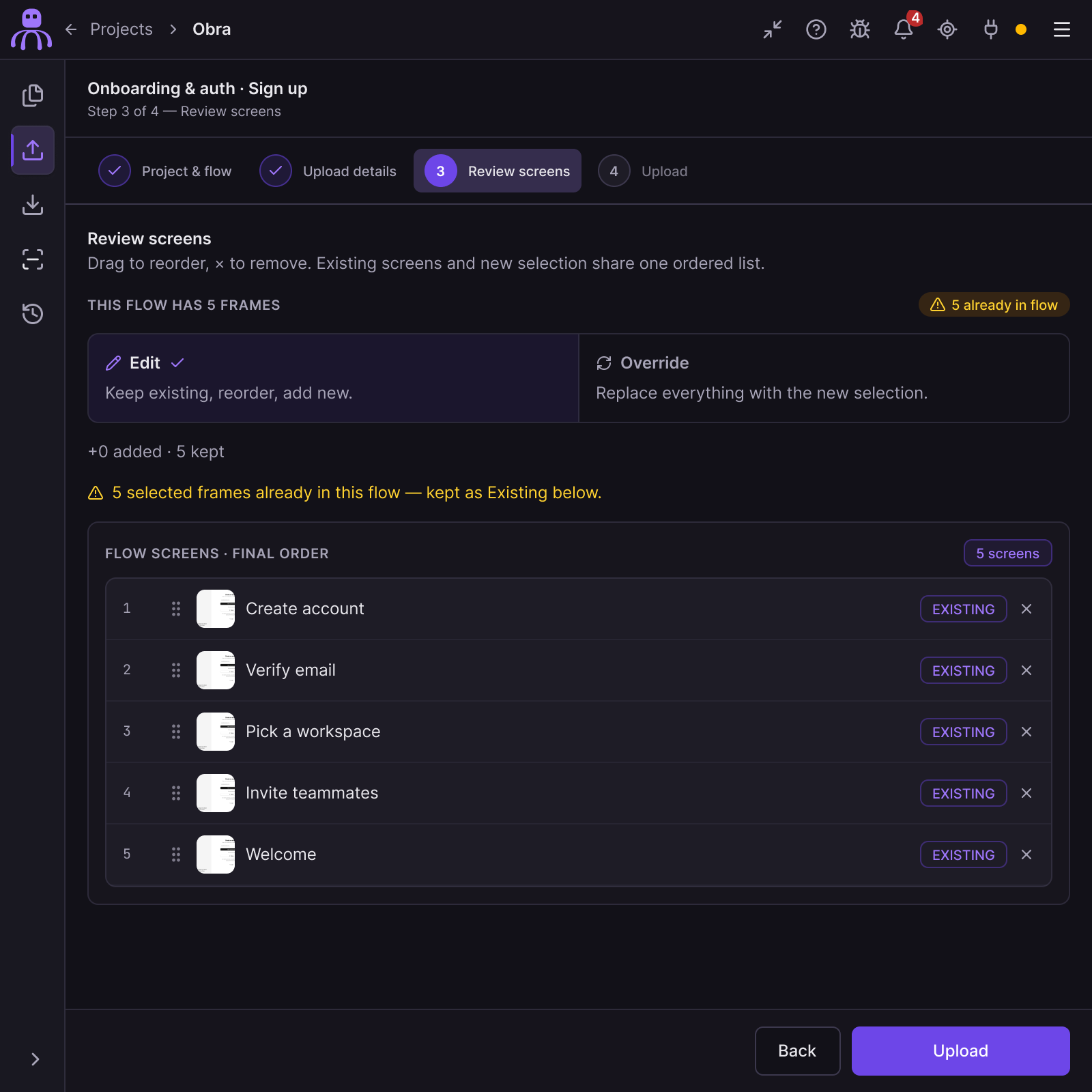
From selected frames to a shared journey.

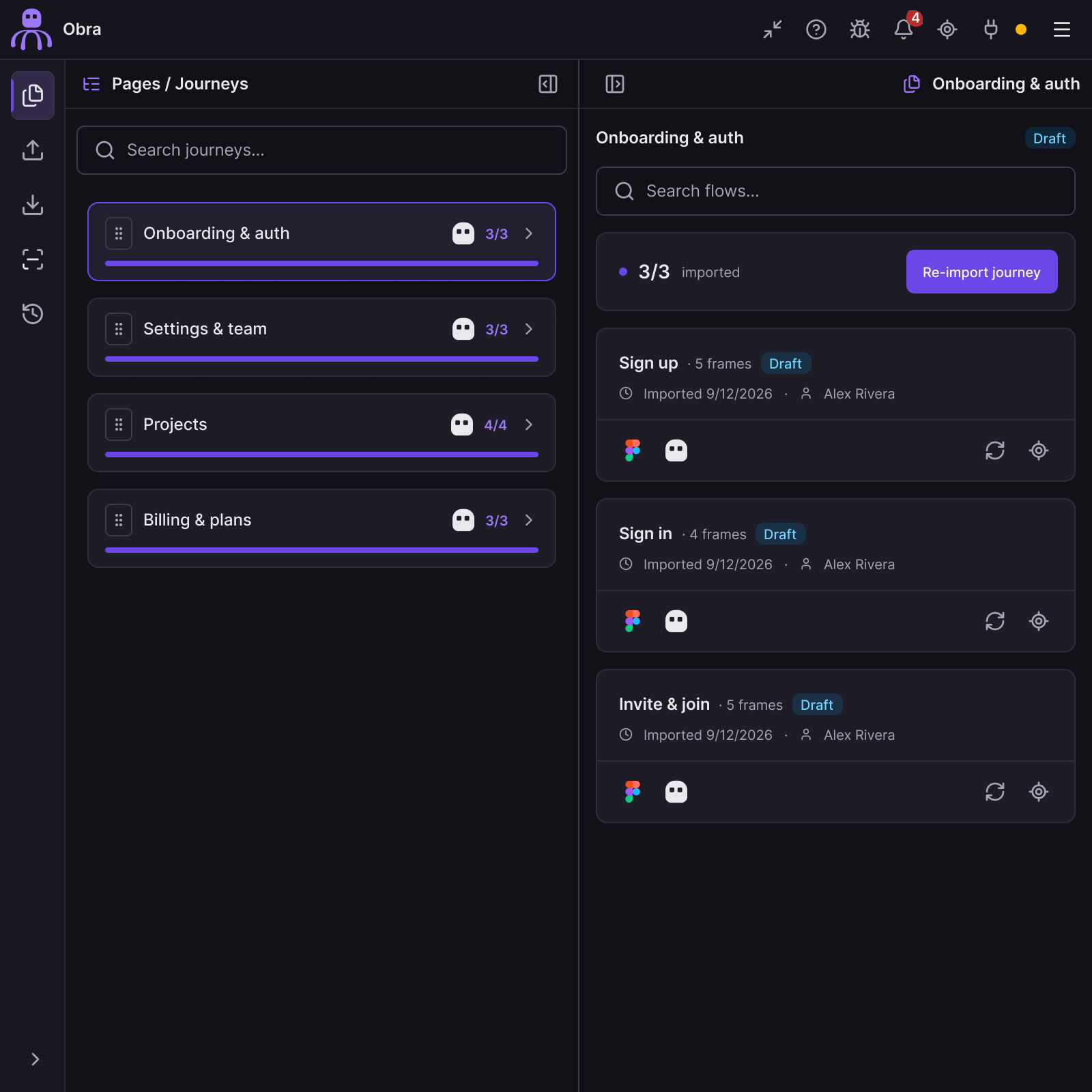
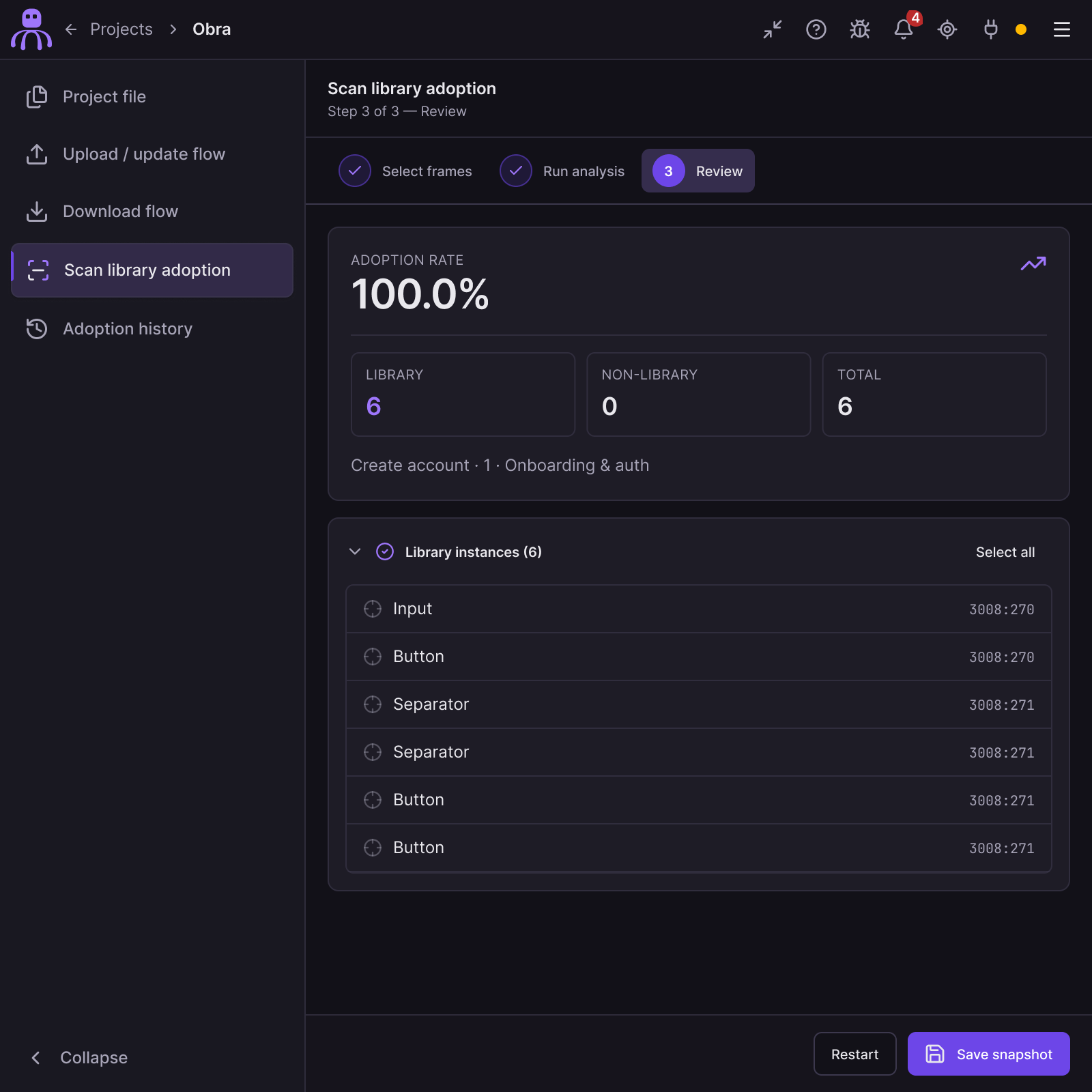
Designers review screens before importing them into the connected product structure.

The plugin’s frame review and update workflow.

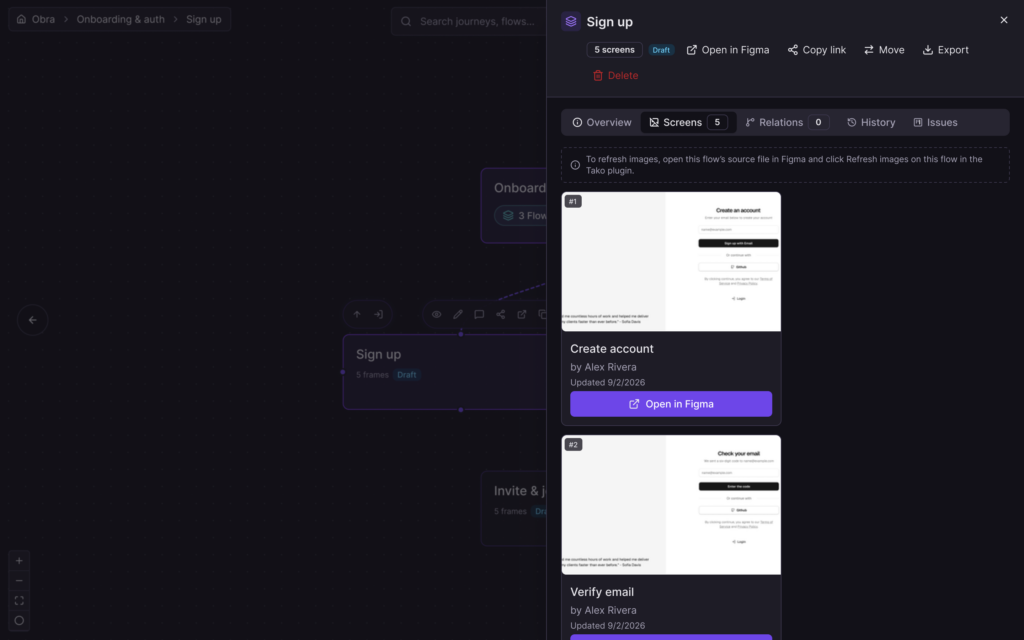
Journeys keep the imported screens organised around the experience.

Explore the product. Understand its structure.

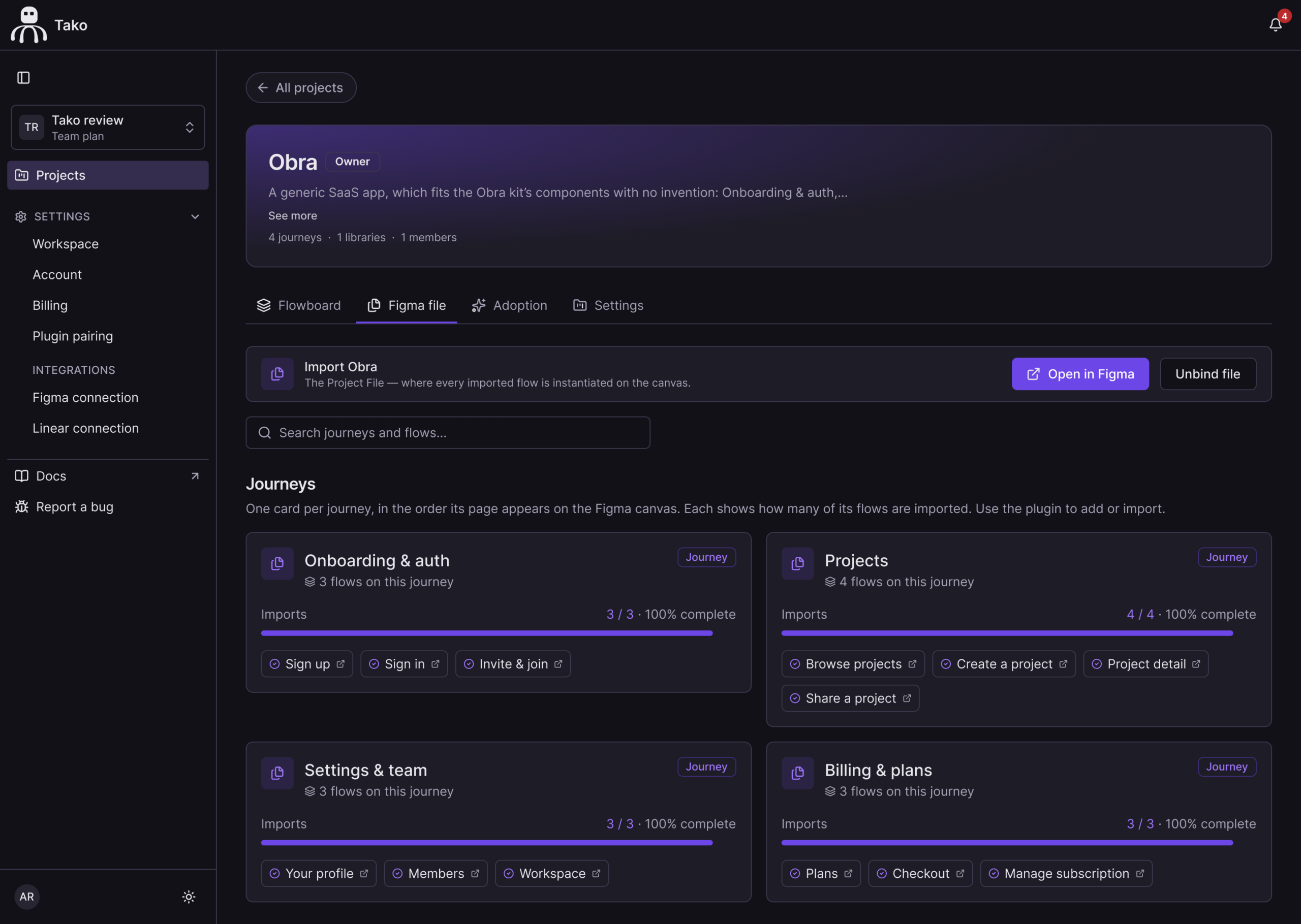
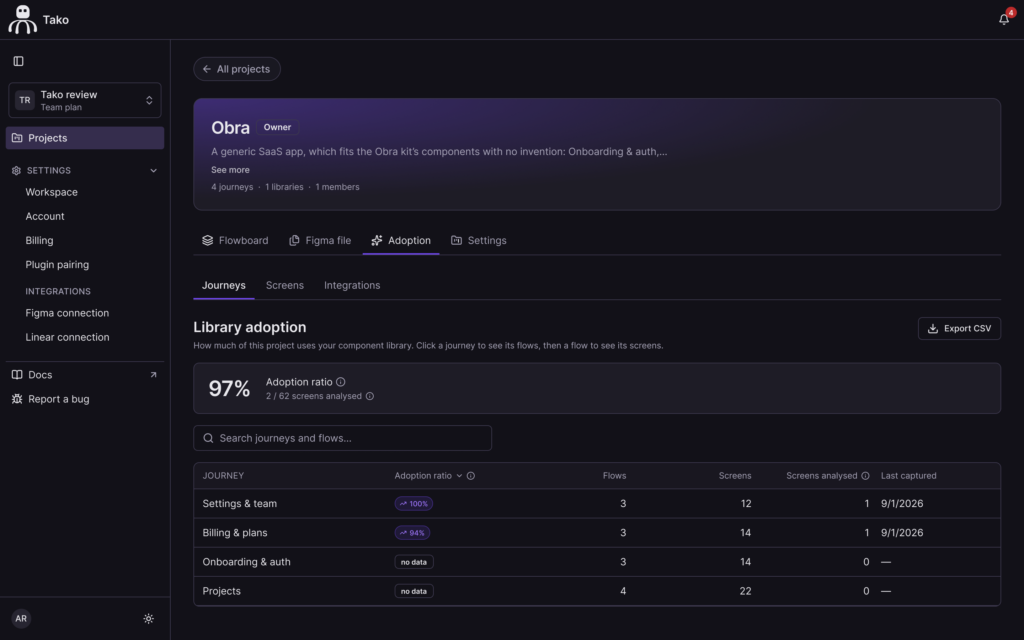
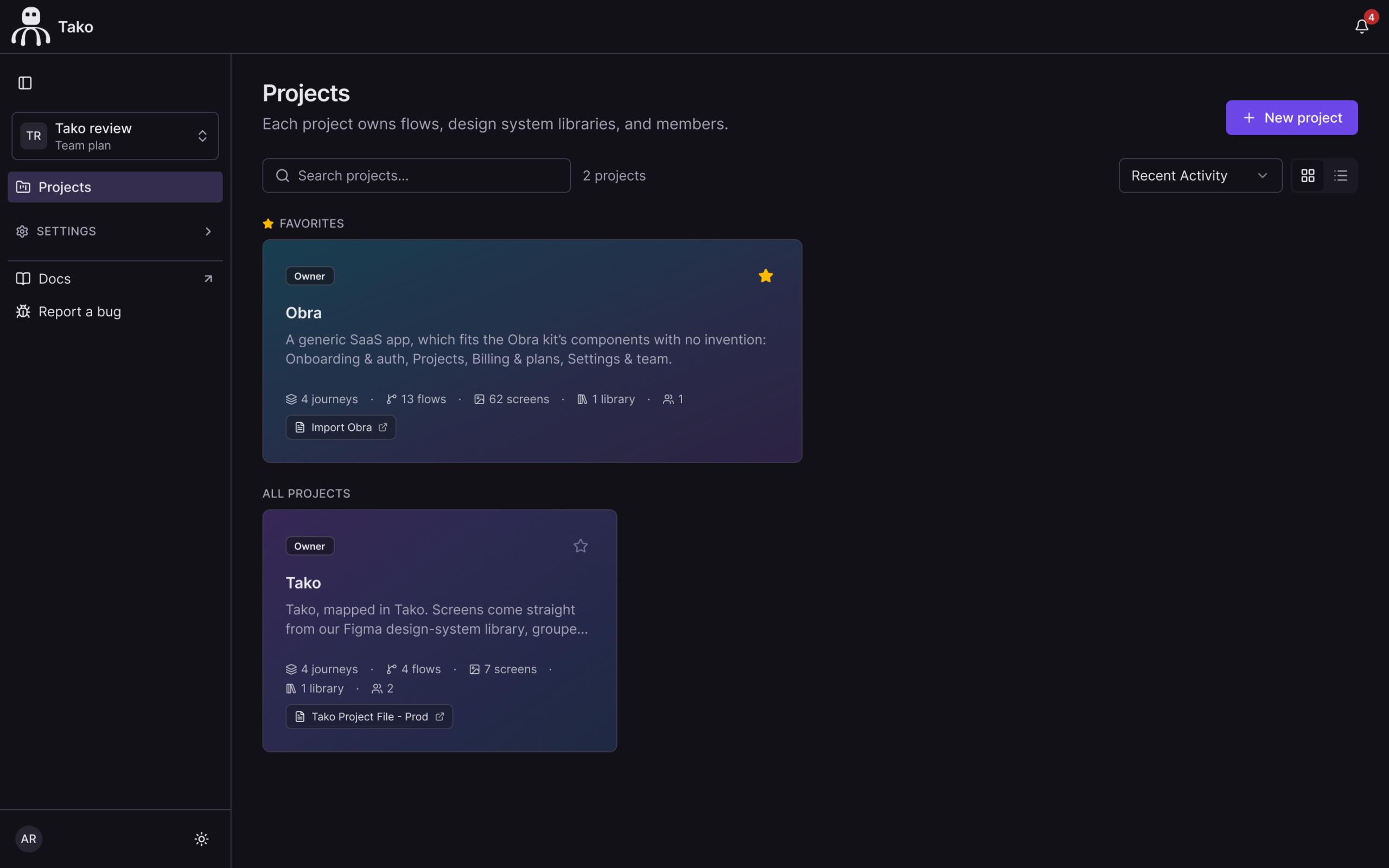
Maps, lists and library views provide different ways to navigate the same product.

Browse screens in the web platform.

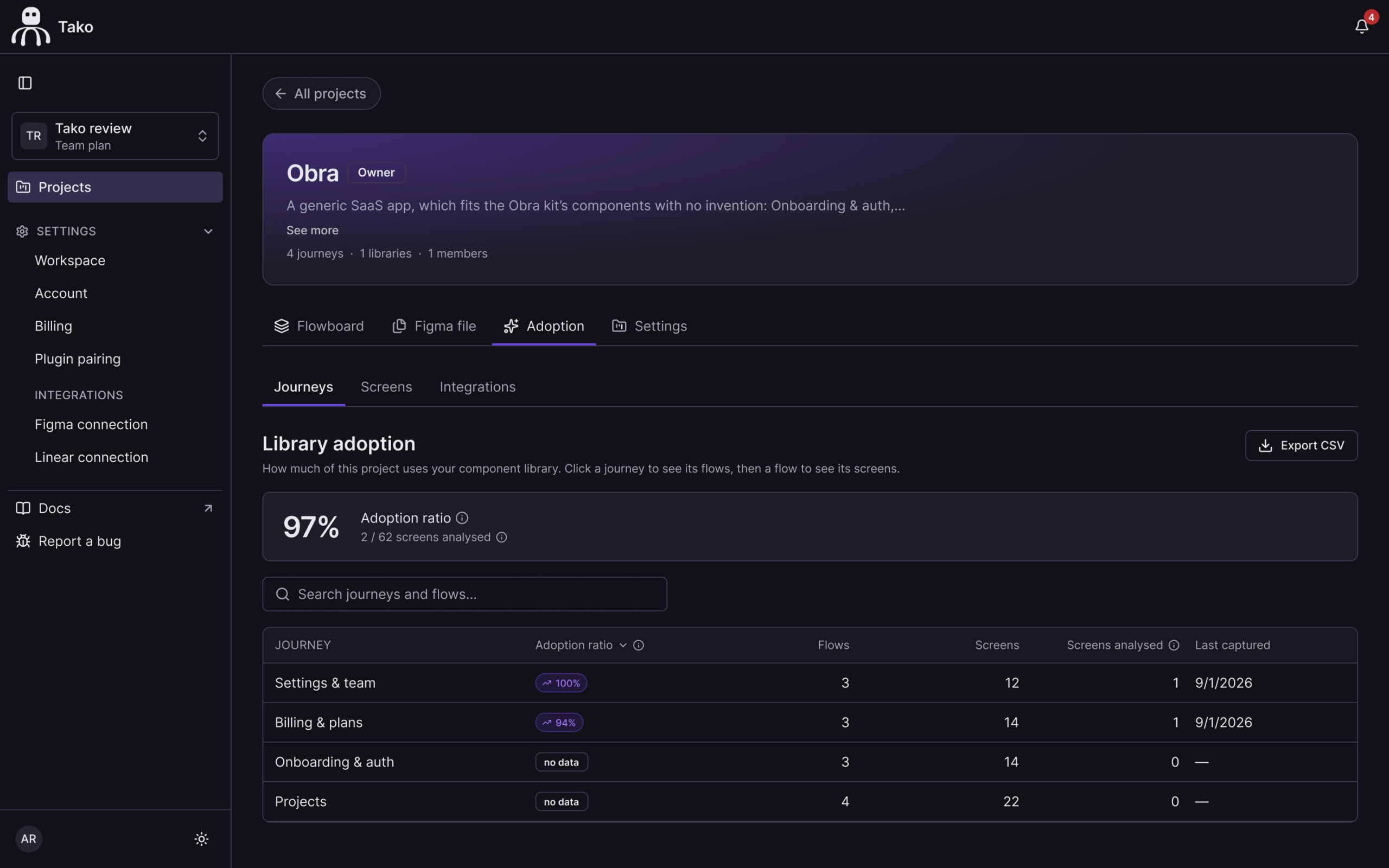
Connect the product to its component libraries.

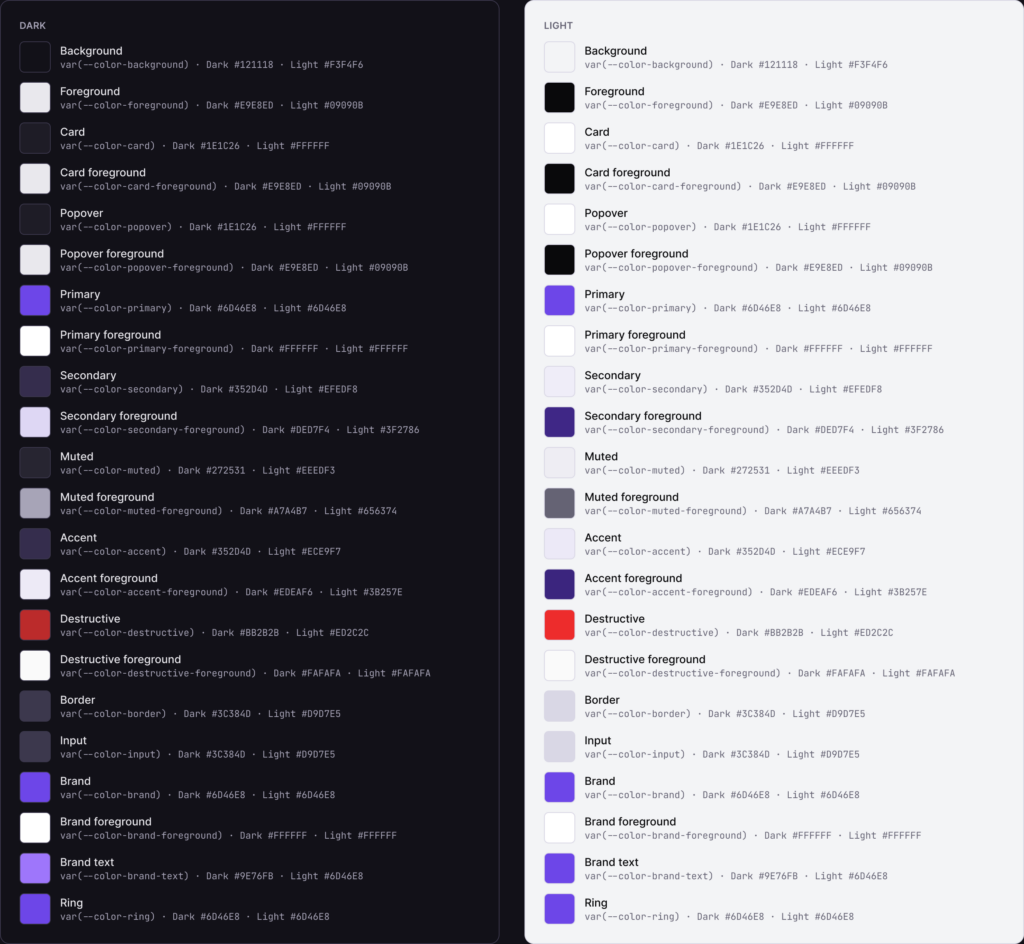
A design system that carries across surfaces.

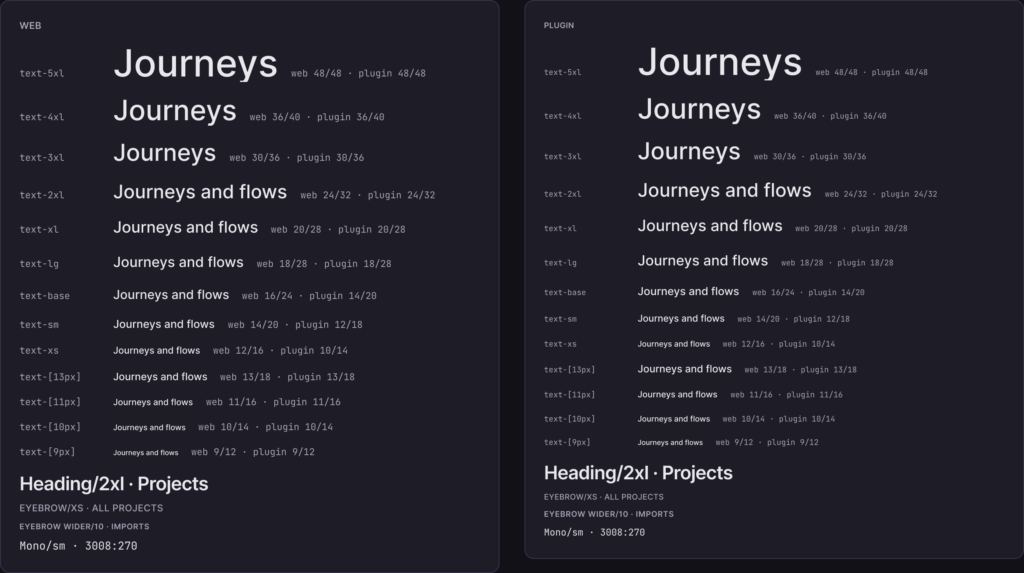
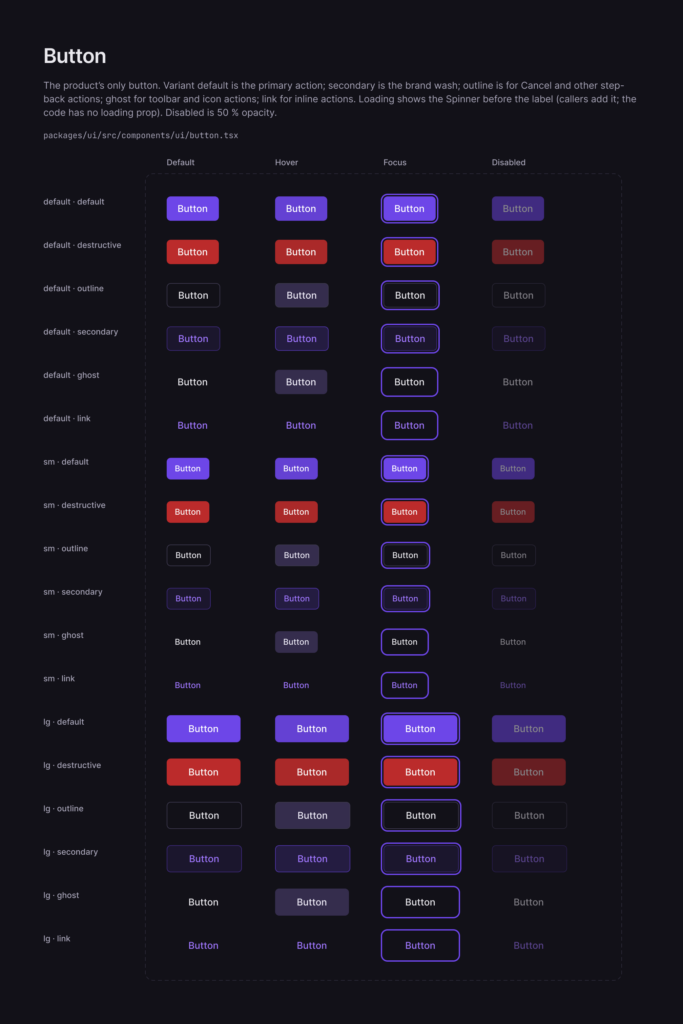
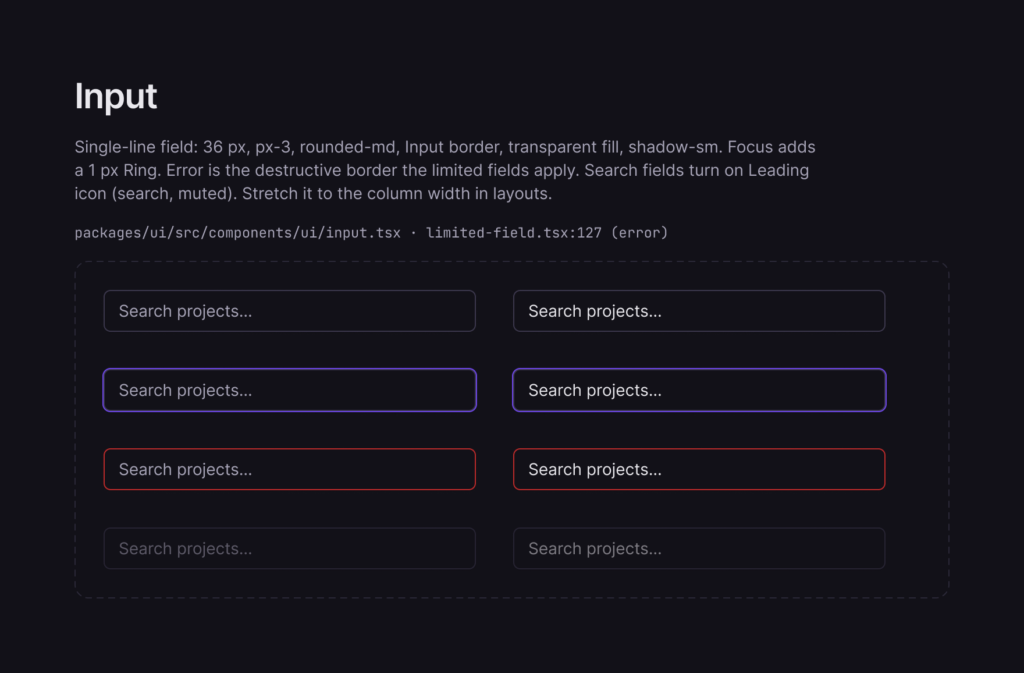
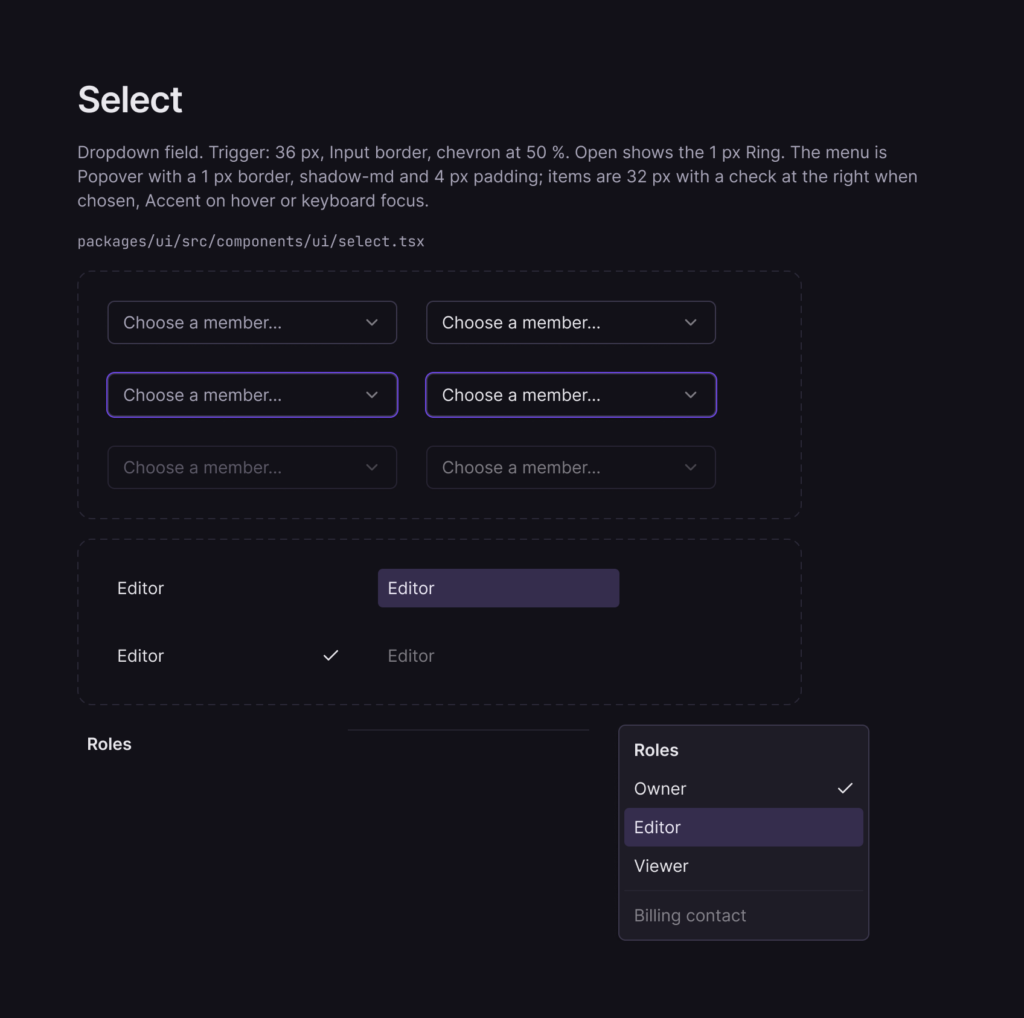
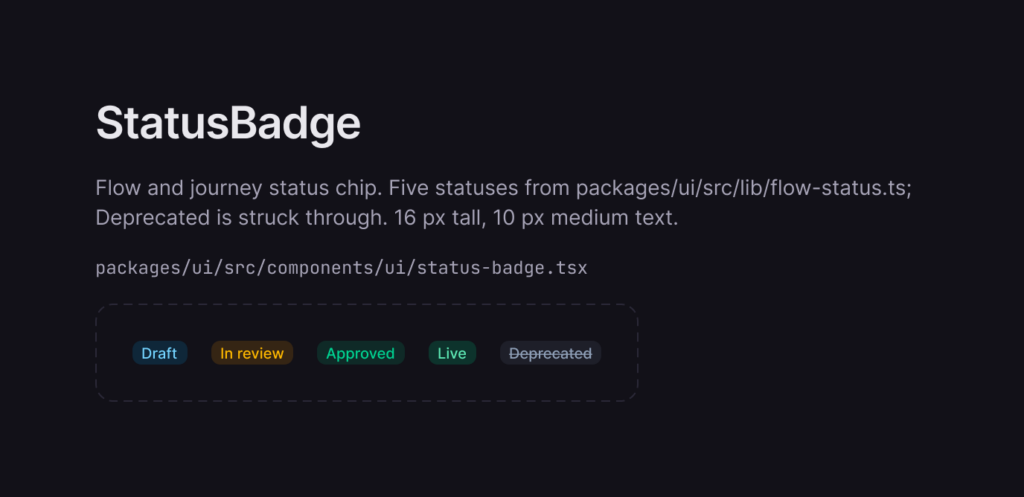
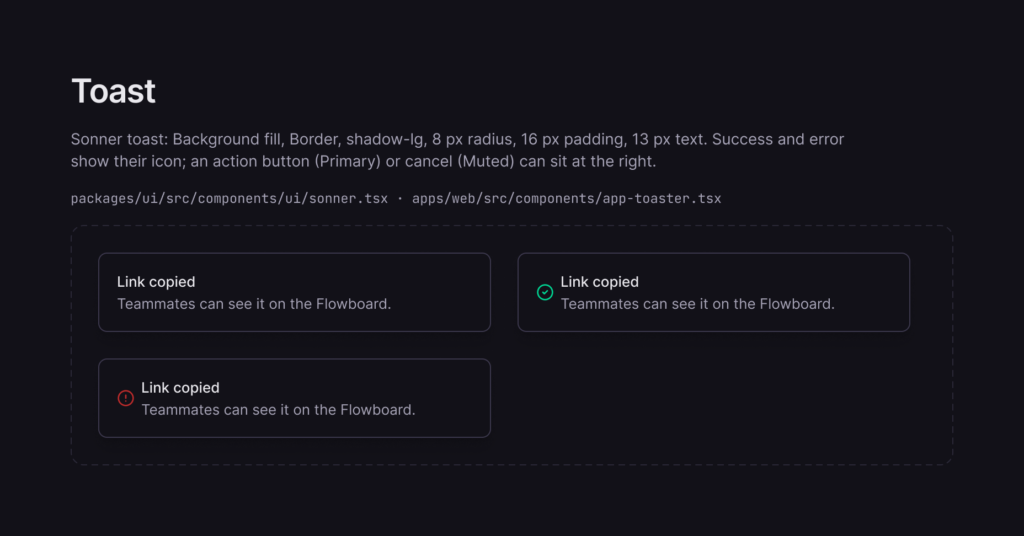
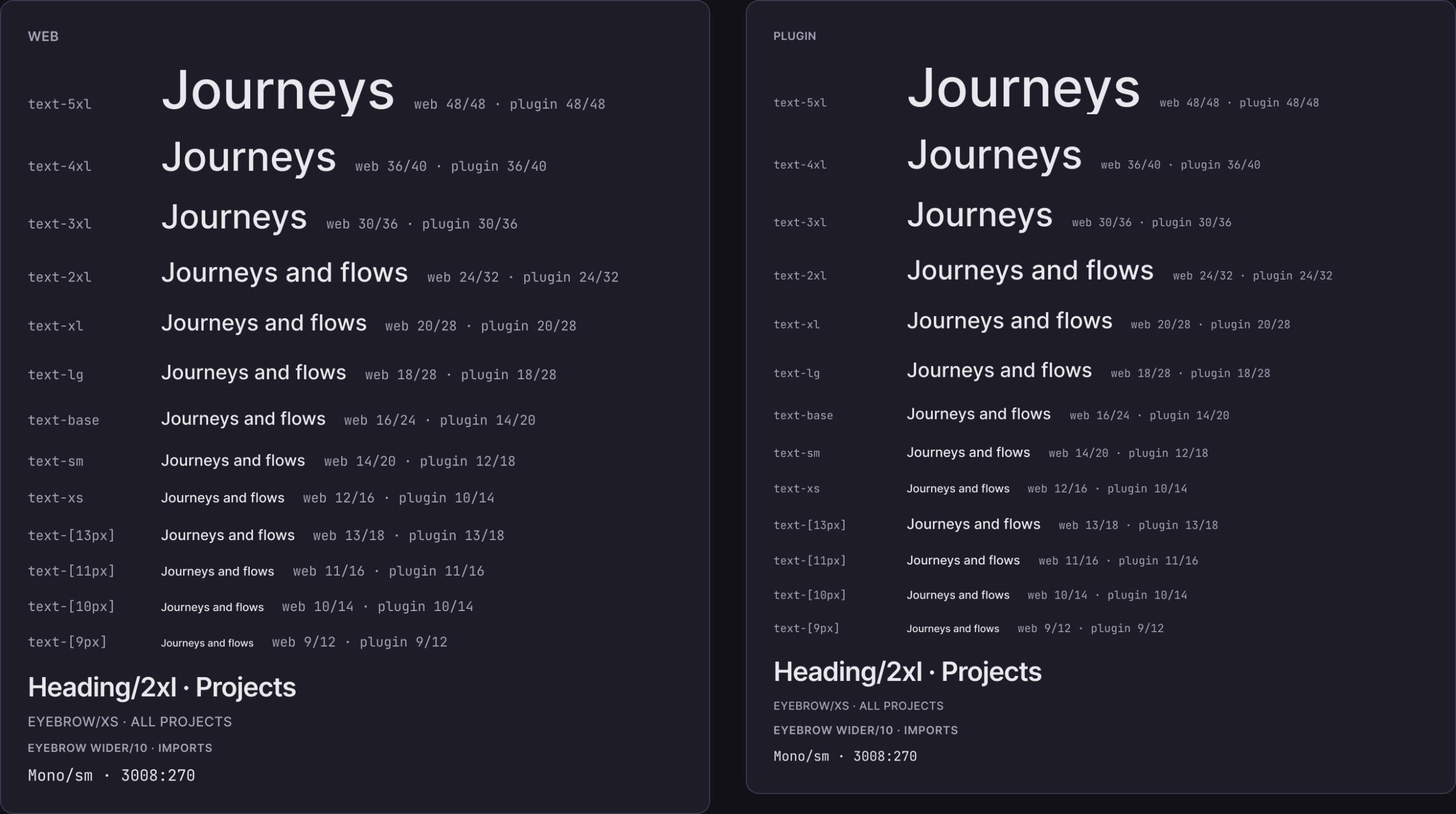
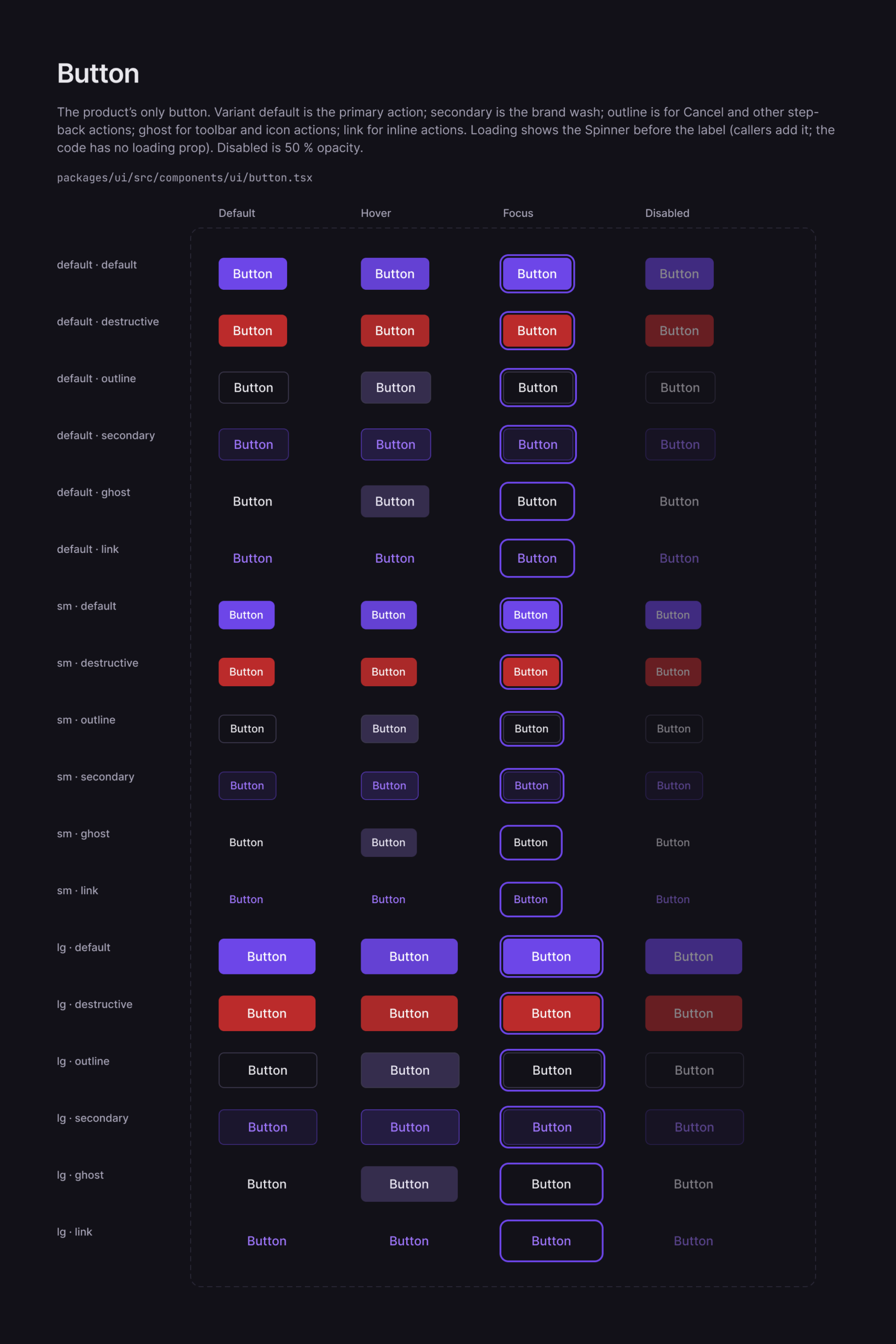
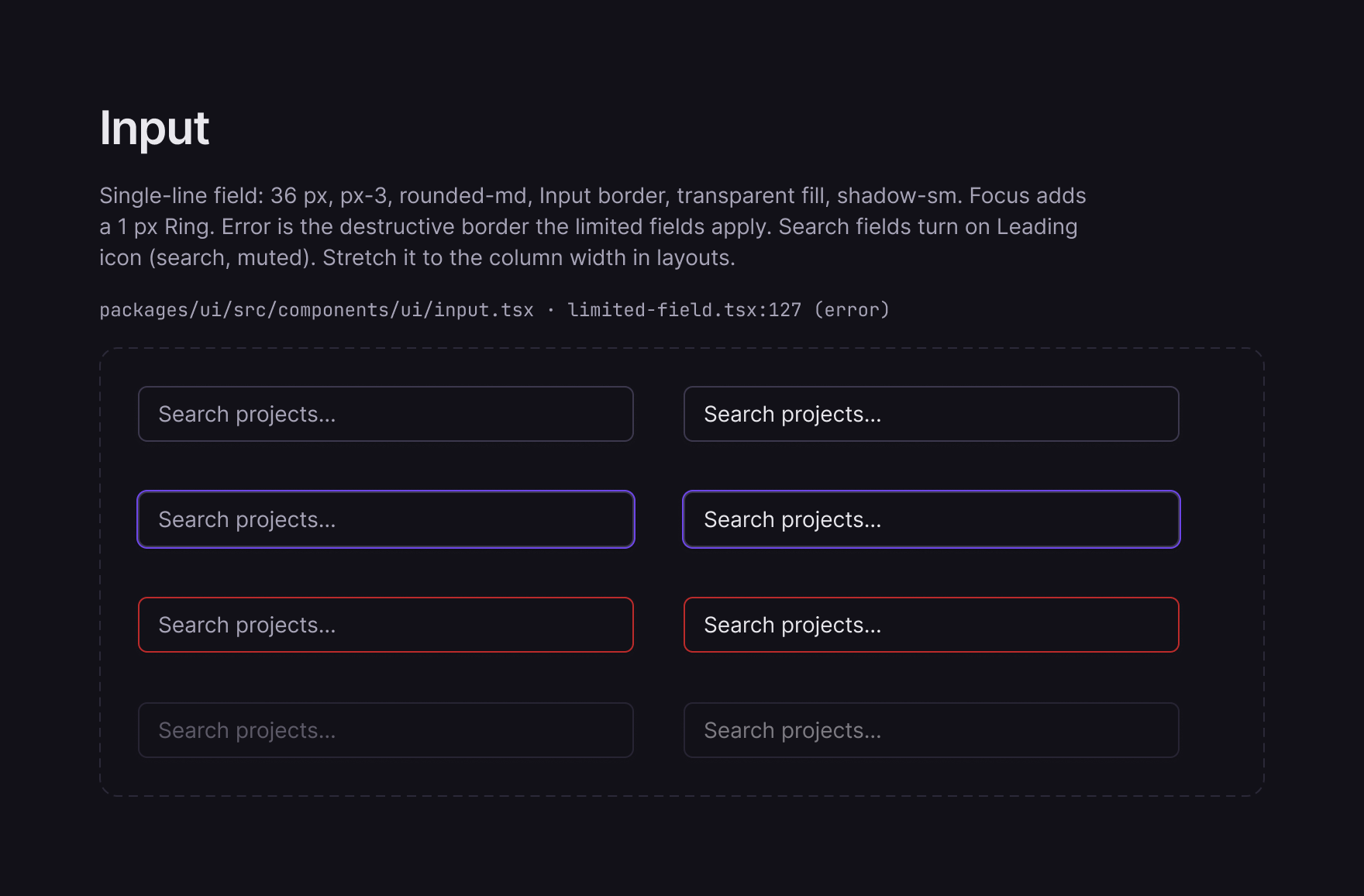
Reusable components, styling and interaction states connect the plugin and the web application.

From a first visit to everyday use.

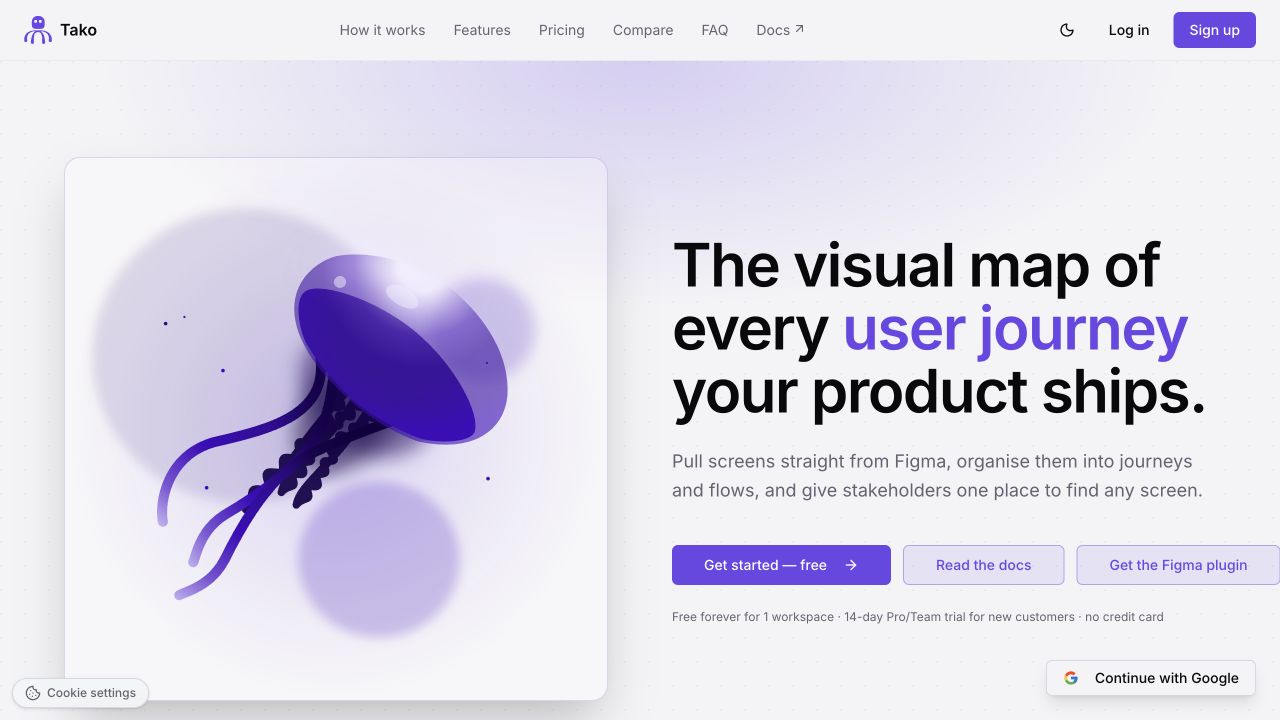
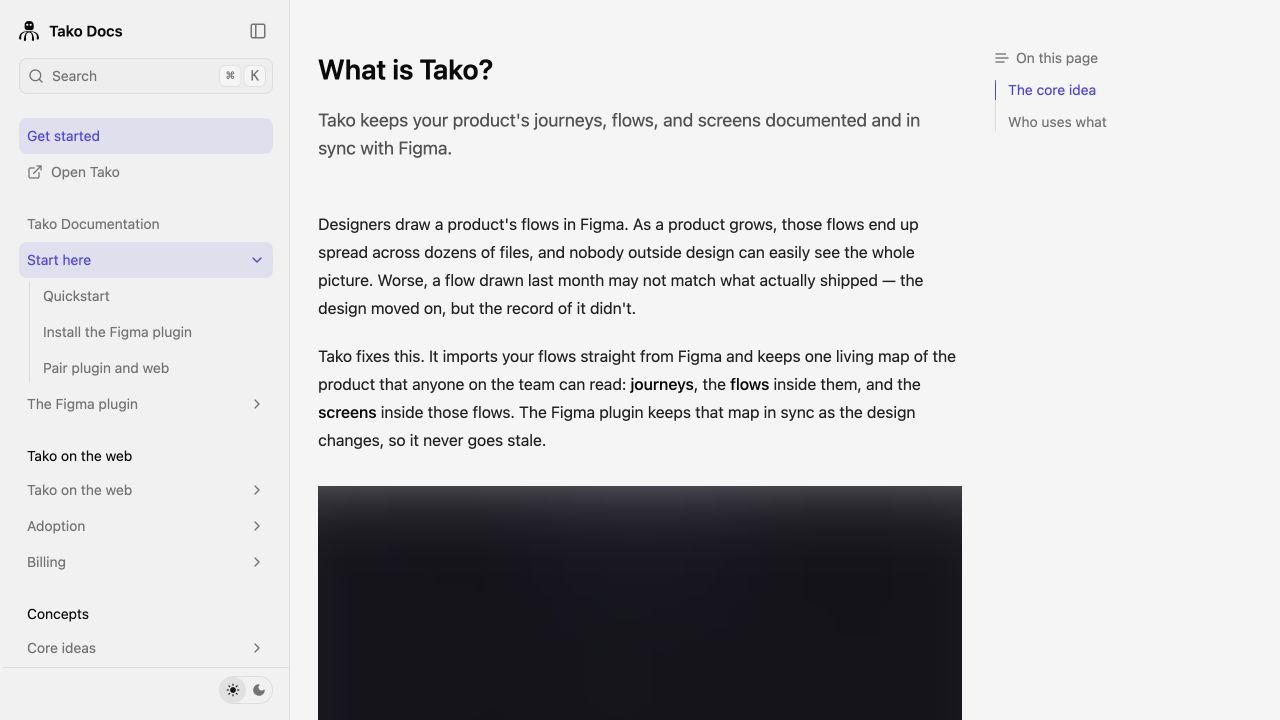
The public website introduces Tako, while documentation supports the people using it.

The public product website.

Product documentation and onboarding guidance.

04Our contribution

One product. Several disciplines working together.

Growth Geeks Agency owned the complete build: strategy, UX and UI, the design system, plugin and web development, integrations, documentation, and release workflows.

Give the idea a clear product structure.

Before building the interfaces, we defined who Tako needed to serve and how those people would understand the product.

What we did for Tako

  • Organized the experience around projects, journeys, flows, and screens.
  • Planned the designer’s import/update workflow and the stakeholder’s browsing experience.
  • Connected product planning, information architecture, and user flows.

How it helped: The plugin and web application could share one model, so importing a design and understanding it on the web became parts of the same experience.

Make two surfaces feel like one product.

The Figma plugin and web platform have different roles, but they need a consistent visual language and familiar interactions.

What we did for Tako

  • Created reusable Figma components and interface patterns.
  • Defined semantic styling, typography, light/dark themes, and interaction states.
  • Built library connection, component-usage scans, and adoption history into Tako.

How it helped: Reusable decisions kept the interfaces consistent, while adoption views made component usage visible within the product structure.

Turn the connected experience into working software.

We built the Figma plugin, web application, and supporting platform as parts of one system.

What we did for Tako

  • Implemented frame imports and updates, shared maps, search, filters, and screen previews.
  • Connected the API, database, authentication, workspace access, and Stripe subscription billing.
  • Added automated tests, deployment workflows, CI/CD, and versioned releases.

How it helped: The product could support the full path from a designer’s frame selection to a team’s shared view, with account and delivery foundations behind the interface.

Explain the product—and give measurement a foundation.

A useful product also needs a clear introduction. We created the public website to explain Tako’s purpose and lead people toward trying it.

What we did for Tako

  • Designed the marketing website around the product’s audience, capabilities, and next steps.
  • Created onboarding documentation as part of the delivered product.
  • Integrated Google Tag Manager with consent controls for the analytics setup.

How it helped: The first visit and the in-product experience could tell the same story, while consent-aware tracking provided the measurement foundation.

05What we delivered

A complete product, from the first visit to daily use.

The result is a connected ecosystem: the Figma plugin, web platform, shared design system, public website, and supporting documentation, with authentication, billing, analytics controls, and release workflows.

  • Figma plugin and import/update workflows
  • Web platform, shared maps and screen browsing
  • Reusable design system and library connections
  • Public website and product documentation
  • Authentication, workspace access and billing
  • Analytics consent controls, tests and release workflows

Build details & technologies

Next.js, React, and TypeScript power the web application. The Figma plugin uses React, Vite, and esbuild. Hono, Prisma, and PostgreSQL support the API and data layer. OAuth and workspace permissions govern access. Stripe handles subscription workflows, Google Tag Manager is governed by consent controls, and GitHub Actions runs checks with Vitest and Playwright.

GROWTH GEEKS AGENCY

Let’s build your next project.

Connect the strategy, design and delivery your project needs.

Discuss your project
Architecture Portfolio Website

Architecture Portfolio Website